What does it really take for sustainable agrochemicals to reach the field? AGRO4AGRI finds some answers
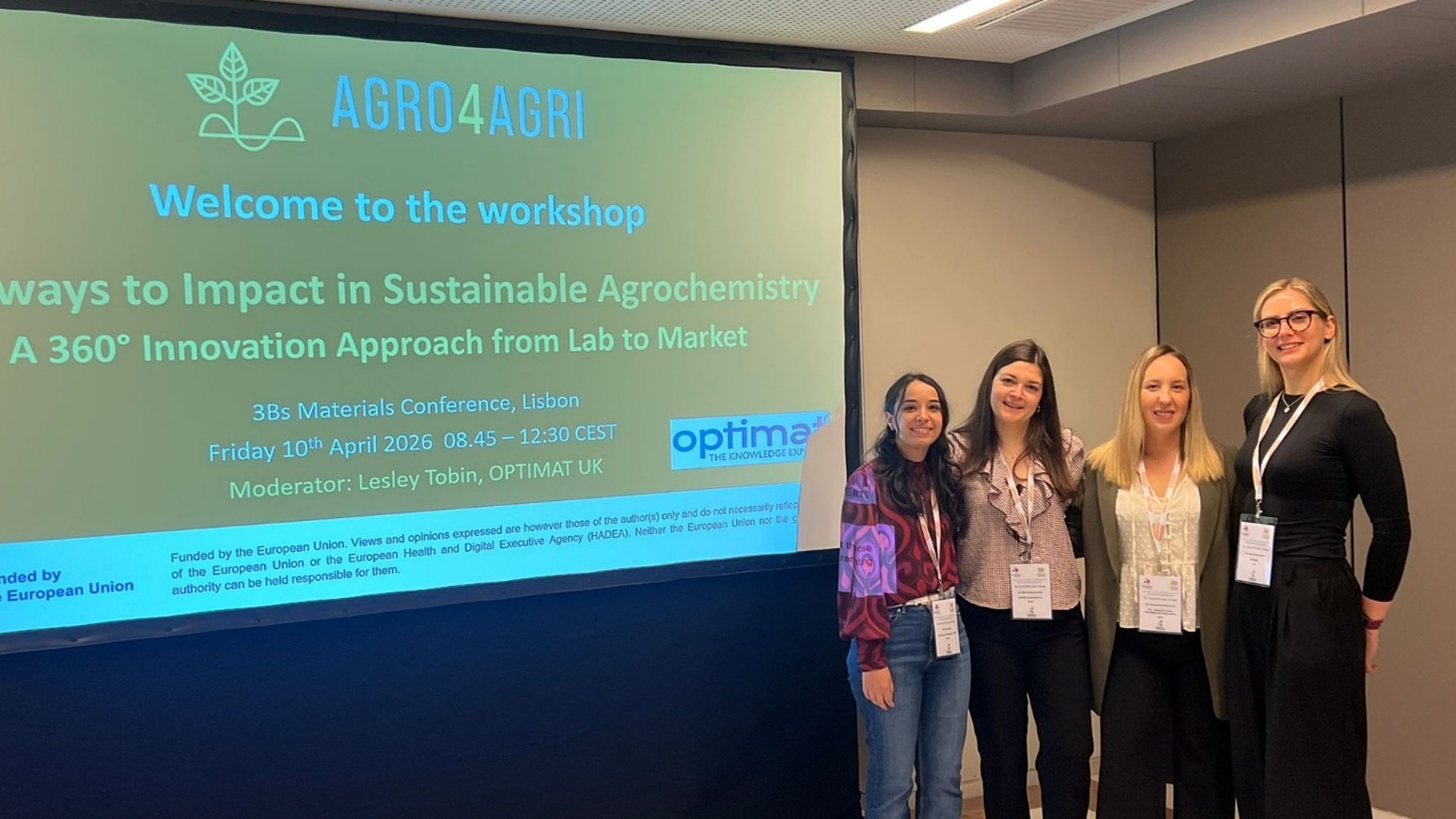
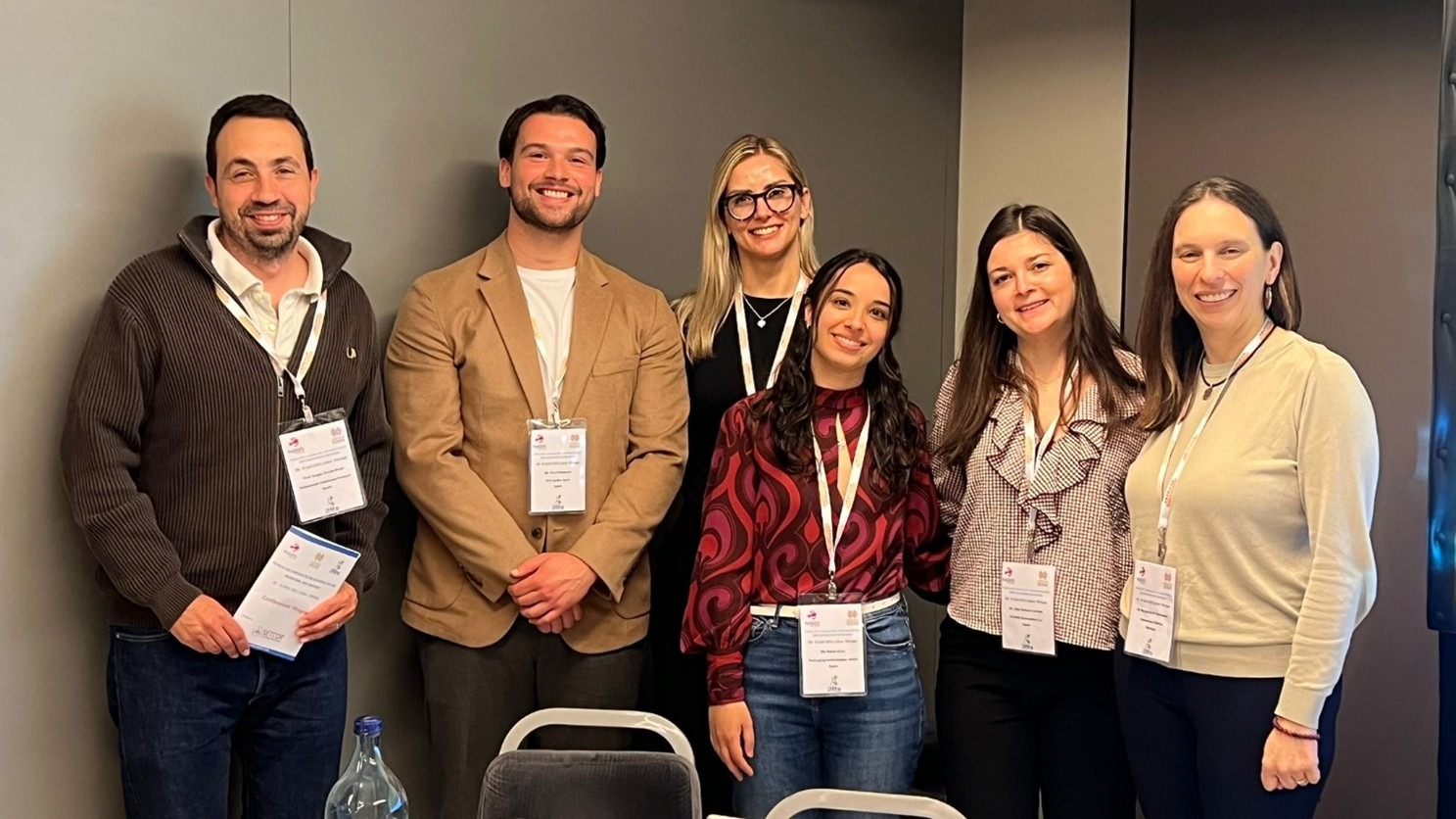
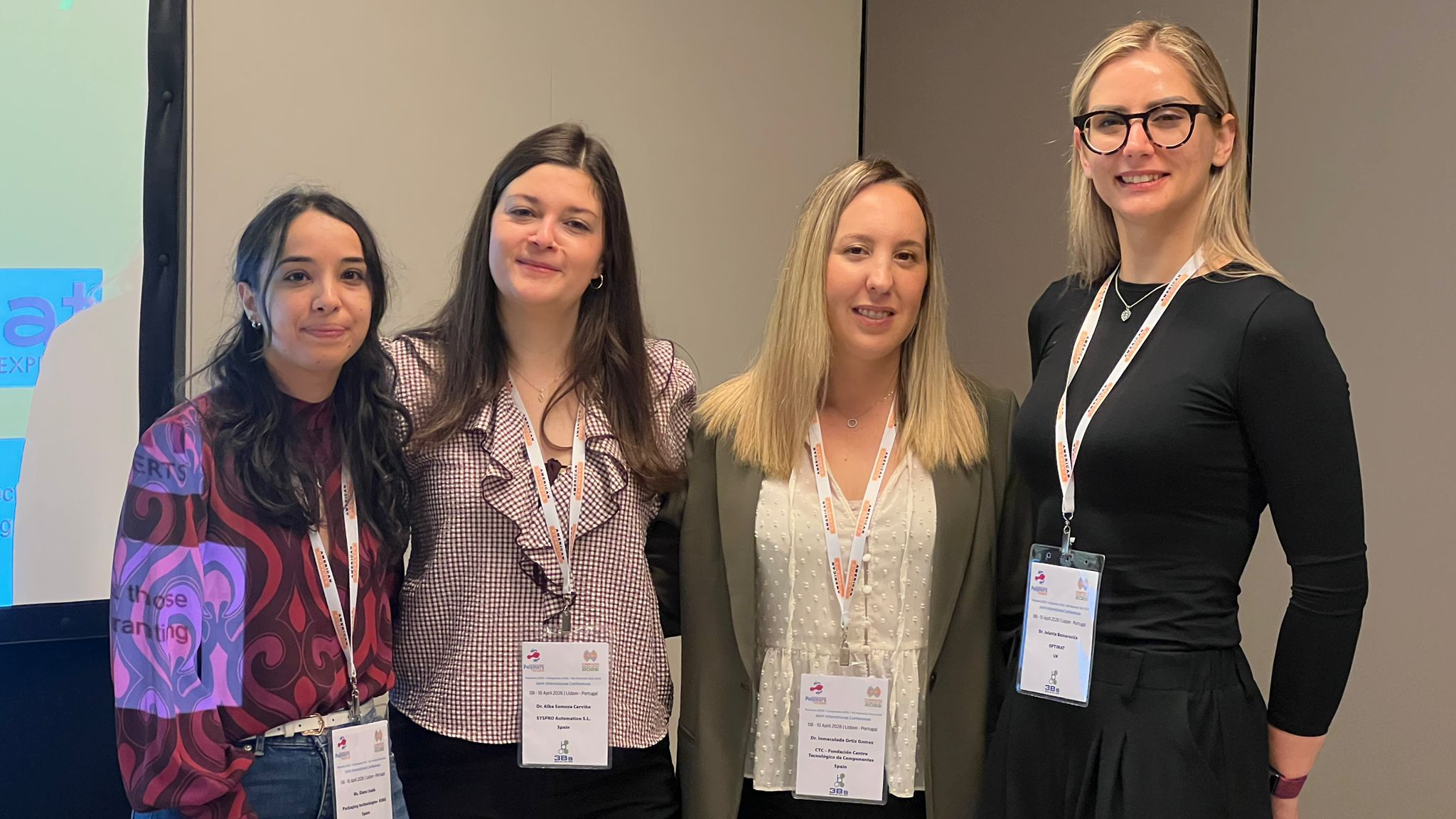
Earlier this month at the AGRO4AGRI innovation workshop in Lisbon, held as part of the 3Bs Materials Conference 2026, an international forum on biomaterials and advanced technologies, we asked a deceptively simple question:
What does it actually take for a sustainable agrochemical innovation to move from the lab into everyday agricultural use?
Through a series of presentations and two candid panel discussions, researchers, industry, and ecosystem stakeholders shared their experiences of what enables – and what prevents – that transition.
There isn’t a simple answer. But some consistent patterns emerged.
Promising science is not the problem
The materials being developed within AGRO4AGRI, including nanocellulose derived from wheat straw and biochar produced from invasive gorse, are showing strong potential as biodegradable carriers for controlled-release fertilisers. They offer a credible alternative to petroleum-based coatings that contribute to microplastic accumulation in soils. From a scientific perspective, the direction is sound – and stakeholders recognise that.
But that’s not where things get stuck.
Scale-up is where things start to break
One of the clearest messages from the workshop was that scale-up challenges are often misunderstood. The barriers at pilot scale are rarely about chemistry. They are about what happens when materials leave the controlled conditions of the lab and enter real production systems; where solids must be handled, processes need to run continuously, and logistics become part of the equation. As one engineer put it, “solids are harder than liquids.” It’s a simple statement, but it captures a recurring issue: many innovations are not designed with these realities in mind.
Evidence depends on who you are talking to
Another consistent theme was that different stakeholders need completely different types of evidence. What convinces a researcher does not convince a farmer, a company, or a regulator. Farmers are looking at yield and cost per hectare. Industry is focused on manufacturability and return on investment. Regulators are concerned with environmental fate and safety. Scientific performance alone is not enough to support adoption. Evidence has to be relevant to the decisions people actually need to make.
The real barriers sit elsewhere
Across both panel discussions, one conclusion came up consistently: the main barriers are not technical. Even when solutions are scientifically sound, adoption depends on how risk is distributed, what incentives exist, how clearly benefits are communicated, and whether stakeholders are aligned. This is where many innovations slow down – not because they don’t work, but because the conditions for uptake are not in place.
Regulation can enable change
Interestingly, regulation was not seen purely as a constraint. Several panellists pointed out that clear regulatory direction can act as a powerful enabler. When limits on conventional products are defined, and pathways for alternatives are clearer, it becomes easier for industry to justify change. In that sense, regulation is not just something to navigate – it can actively shape the pace of transition.
What this means for AGRO4AGRI
The workshop reinforced that moving from research to real-world use requires more than strong science. It requires understanding how decisions are made in practice, designing solutions with real-world constraints in mind, and generating the right types of evidence for different audiences. These insights are already informing how AGRO4AGRI approaches stakeholder engagement, exploitation, and policy work in the next phase of the project.
Access the full materials
The full proceedings, including presentations, panel discussions, and a one-page summary, are available on Zenodo and website resources:
👉 https://zenodo.org/records/19666810
👉 https://agro4agri.eu/resources/
Looking ahead
Over the coming months, AGRO4AGRI will continue working with stakeholders across research, industry, policy, and farming communities to better understand where innovations succeed or fail in practice and what is needed to support uptake at scale.
If you would like to follow our progress or take part in our consultations, we would more than welcome your participation.
Register here: https://tinyurl.com/A4A-Community
Lesley Tobin de Fuentes
OPTIMAT Ltd (UK)