
AGRO4AGRI Presents RNAi Biopesticide Innovation at Biopesticides Europe Conference
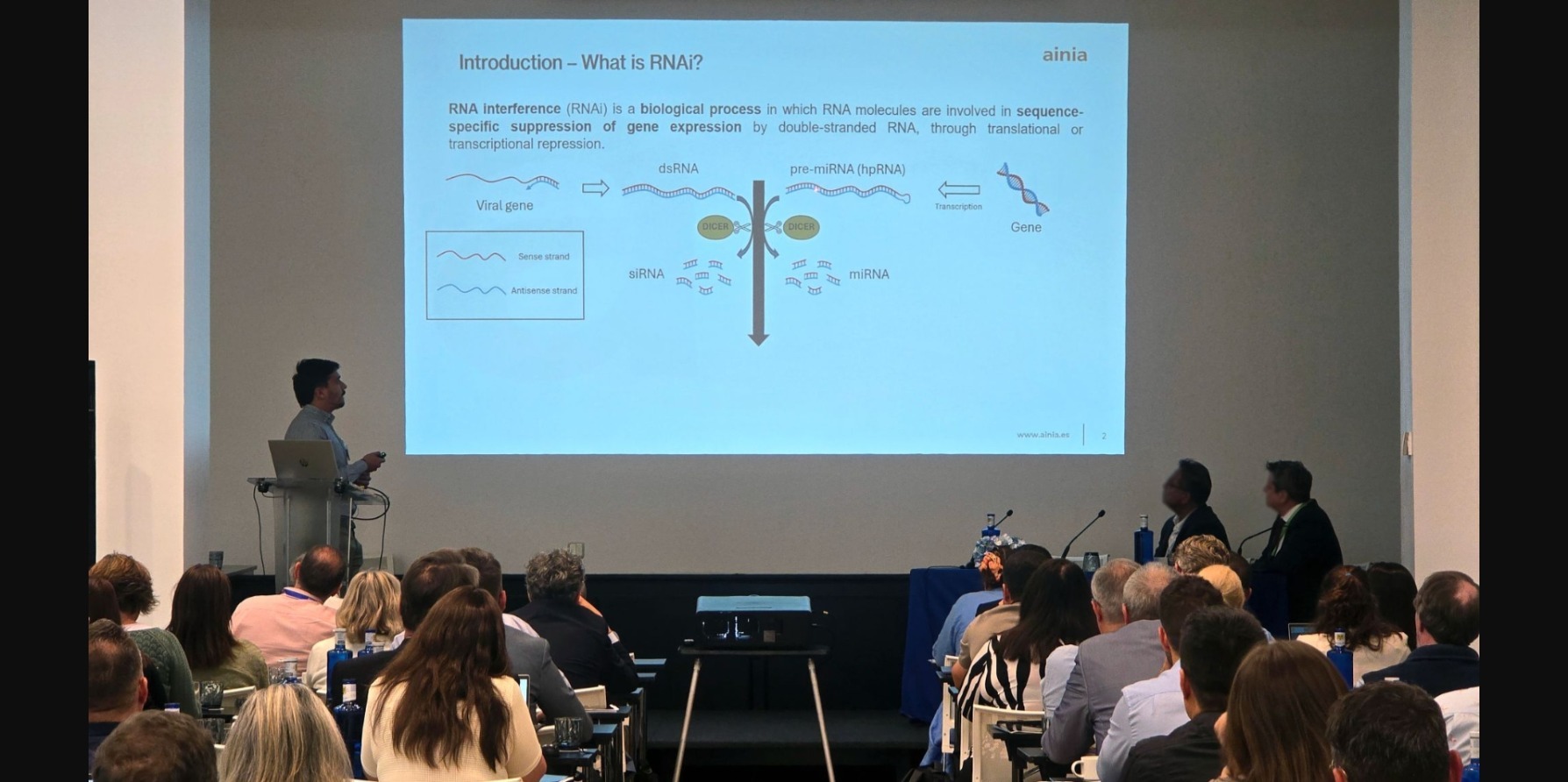
The AGRO4AGRI project presented its pioneering research on RNA interference (RNAi)-based biopesticides at the Biopesticides Europe Conference, a leading event organized by ACI (Active Communications International) that brings together experts in sustainable crop protection and biocontrol innovation. The conference served as a platform for showcasing next-generation solutions aimed at reducing chemical pesticide use and promoting environmentally responsible agriculture.
RNAi Biopesticides: A Targeted and Eco-Friendly Approach
During the conference, AGRO4AGRI highlighted how RNAi biopesticides offer a highly specific and sustainable alternative to conventional pesticides. These biopesticides use double-stranded RNA (dsRNA) molecules to silence essential genes in target pests, disrupting their biological functions without harming beneficial organisms. This precision makes RNAi a powerful tool for integrated pest management (IPM), supporting the EU Green Deal and Farm to Fork Strategy objectives.
AGRO4AGRI’s Research Contributions
AGRO4AGRI’s presentation focused on several key research areas, including the development of minicell encapsulation technologies to enhance the stability and delivery of RNA molecules. The project also emphasized its commitment to ecotoxicological assessments, ensuring environmental safety, and stakeholder engagement to foster trust and facilitate adoption. Additionally, AGRO4AGRI is working to align its innovations with EU regulatory frameworks for biopesticide approval, ensuring a smooth path to market.
Driving Innovation in Sustainable Agriculture
By participating in the Biopesticides Europe Conference, AGRO4AGRI reinforced its role as a leader in sustainable agricultural innovation. The project’s work on RNAi biopesticides contributes to the development of practical, scalable, and environmentally friendly solutions for European farmers. This research is part of AGRO4AGRI’s broader mission to reduce agrochemical dependency and promote resilient, circular farming systems.