
GOOD PRACTICE #3 | Embedding Ethics in Innovation: Reflexivity Workshops for Responsible Agrochemical Research
Turning reflection into action
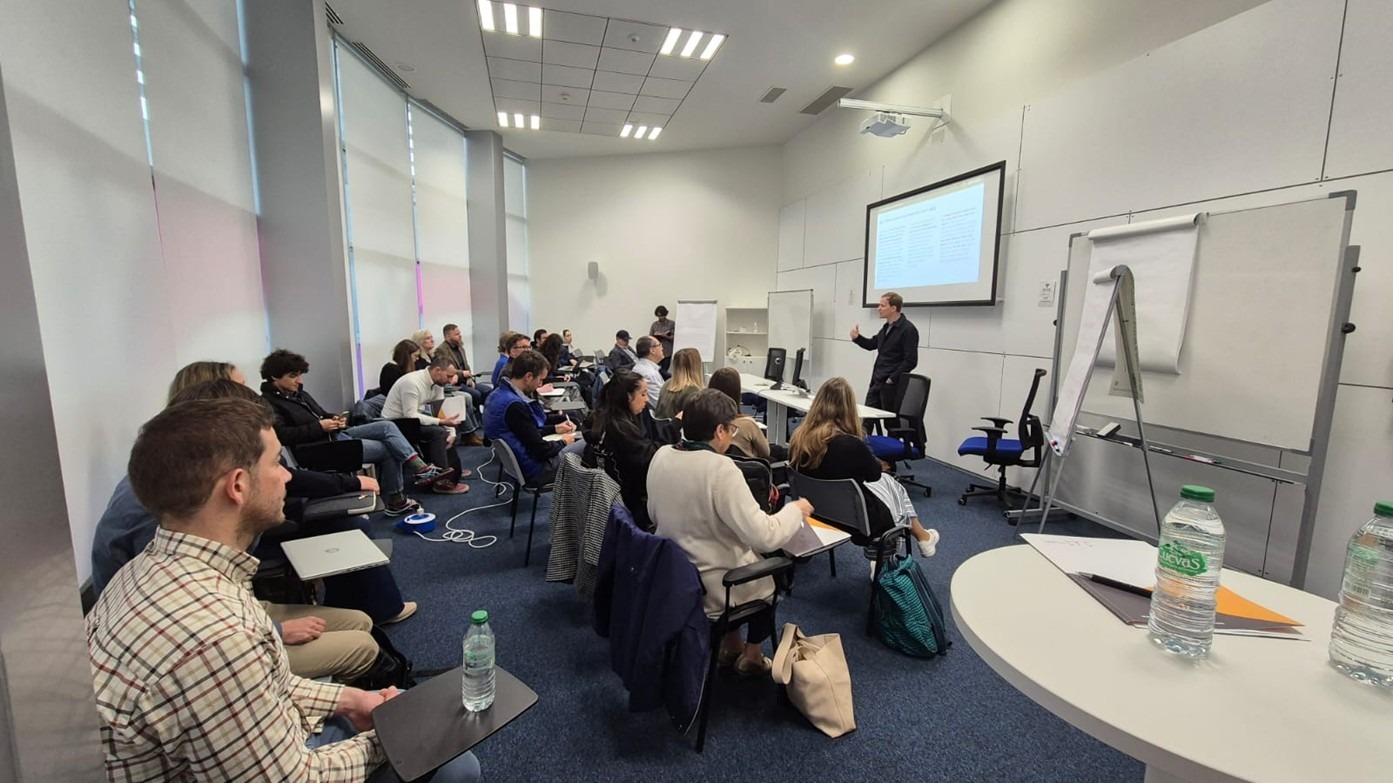
AGRO4AGRI delivered its first reflexivity workshop to integrate societal and ethical considerations into the development of nano-enabled fertilisers and RNAi-based biopesticides. This approach ensures that innovation aligns with EU values and stakeholder expectations from the outset.
Why reflection matters
AGRO4AGRI develops nano-enabled fertilisers and RNAi-based biopesticides to reduce agrochemical use. While technically promising, these solutions raise societal and ethical concerns. Public trust and regulatory acceptance are critical for adoption, making early integration of societal readiness essential.
How AGRO4AGRI made it work
The first reflexivity workshop was designed using the Societal Readiness Tool (SRT) to provide a structured framework for dialogue. It brought together researchers, social scientists, and selected stakeholders in an inclusive setting to explore ethical, environmental, and societal implications of AGRO4AGRI’s technologies. Insights from this session were documented and used to inform the development of Safe and Sustainable by Design (SSbD) protocols, ensuring that ethical considerations begin shaping technical decisions and engagement strategies from the early stages.
What changed
- Effective: Initiated societal alignment and ethical reflection in AGRO4AGRI’s innovation process.
- Efficient: Embedded the workshop within an existing consortium meeting, optimising resources.
- Sustainable: Established a foundation for integrating reflexivity into future governance and design activities.
- Transferable: Provides a replicable model for embedding societal readiness in Horizon Europe projects dealing with sensitive technologies.
Related articles & News

SUCCESS STORY #5 AGRO4AGRI IDENTIFIES THE MOST PROMISING GENE TARGETS FOR NOVEL NEMATICIDES
A Major Step Forward in Sustainable Crop Protection AGRO4AGRI has reached an important scientific milestone with the completion of M4:…

GOOD PRACTICE #4 | Connecting Minds: A Collaborative Webinar with Sister Projects
Building Synergies Across Projects AGRO4AGRI co-organised an inspiring webinar with sister projects to share knowledge, exchange experiences, and explore joint…

AGRO4AGRI Workshop at 3Bs Materials Tech 2026
The AGRO4AGRI project will host a dedicated workshop titled “Pathways to Impact in Sustainable Agrochemistry: A 360° Innovation Approach from…